
Understanding TMJ
What Causes TMJ and Jaw Pain
The temporomandibular joints connect your jaw to your skull, just in front of each ear. When these joints and the surrounding muscles become tight, restricted or irritated, the result can be jaw pain, clicking, difficulty chewing and headaches.
TMJ trouble is often linked to clenching or grinding, stress, posture and tension in the neck and upper back. Because the jaw, neck and upper spine work closely together, addressing the surrounding region can be an important part of care.
A careful assessment helps identify what’s contributing to your jaw pain so care can focus on the joints and muscles involved.
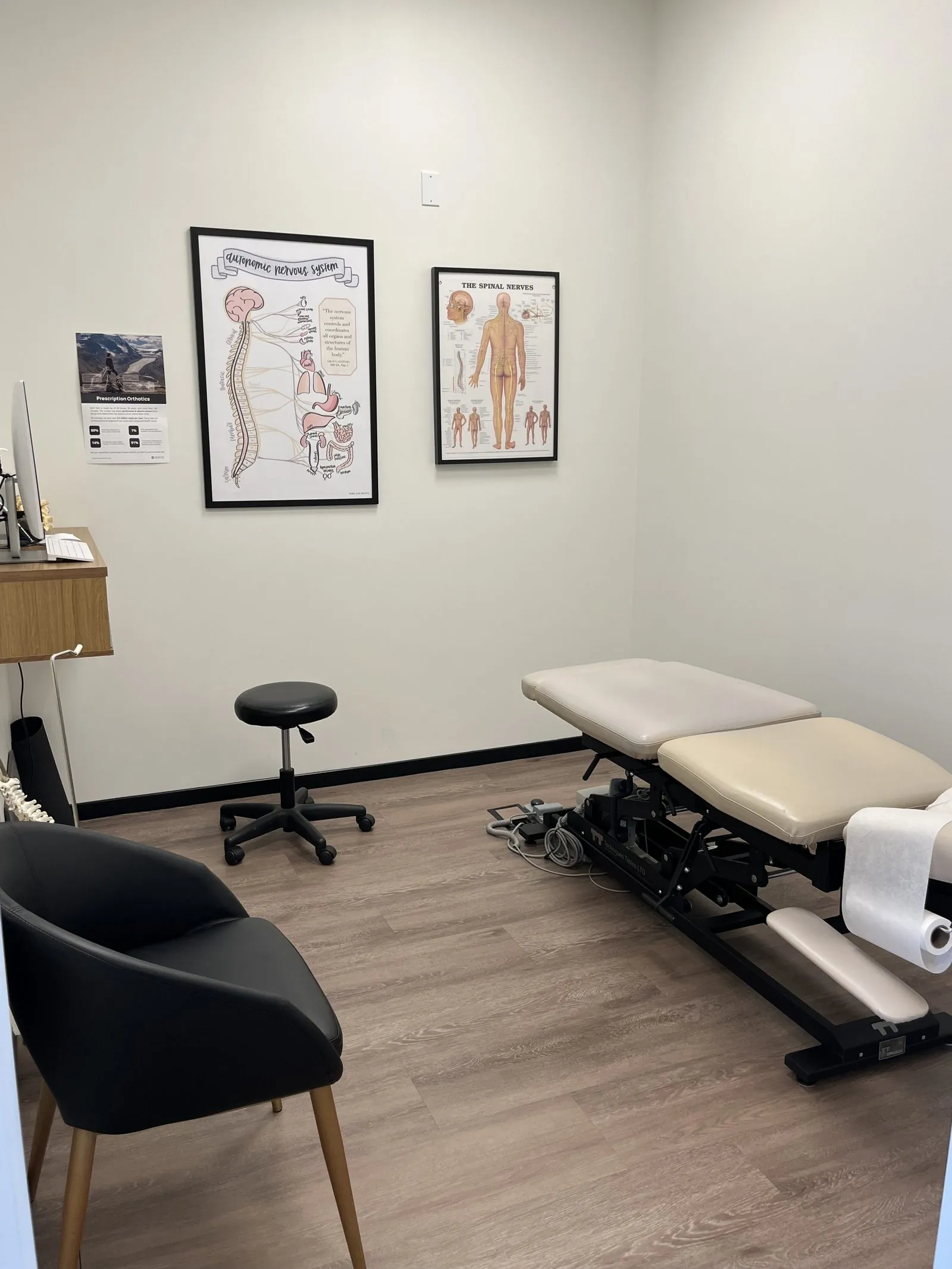
How We Help
How We Help with TMJ
Symptoms
Common TMJ Symptoms
FAQ
TMJ & Jaw Pain Relief Questions
Chiropractic care may help some people with TMJ symptoms by addressing the joints and muscles of the jaw, neck and upper back. An assessment helps determine whether this approach is a good fit for you, and we’ll refer to a dentist or other provider when appropriate.
It often is. The jaw, neck and upper spine work together, so tension and posture in the neck and upper back can contribute to jaw symptoms. That’s why we assess the whole region.
Gentle jaw relaxation, posture awareness and stress management can support the muscles around the jaw. We’ll suggest simple strategies suited to your situation.
Yes, we direct bill most major insurers for chiropractic and registered massage therapy, so you usually only pay any remaining balance.