
Understanding Vertigo
What Causes Vertigo and Dizziness
Vertigo is the sense that you or the room is spinning, while dizziness can feel like light-headedness or unsteadiness. There are several possible causes, from inner-ear conditions to problems involving the neck.
Cervicogenic dizziness is a type of dizziness related to dysfunction in the neck, where restricted joints and muscle tension affect the signals your body uses for balance. This is the kind of dizziness chiropractic care is most likely to help.
Because dizziness can have many causes, a careful history and exam are important. We assess whether your symptoms fit a neck-related pattern and refer you to the appropriate medical provider when another cause is suspected.
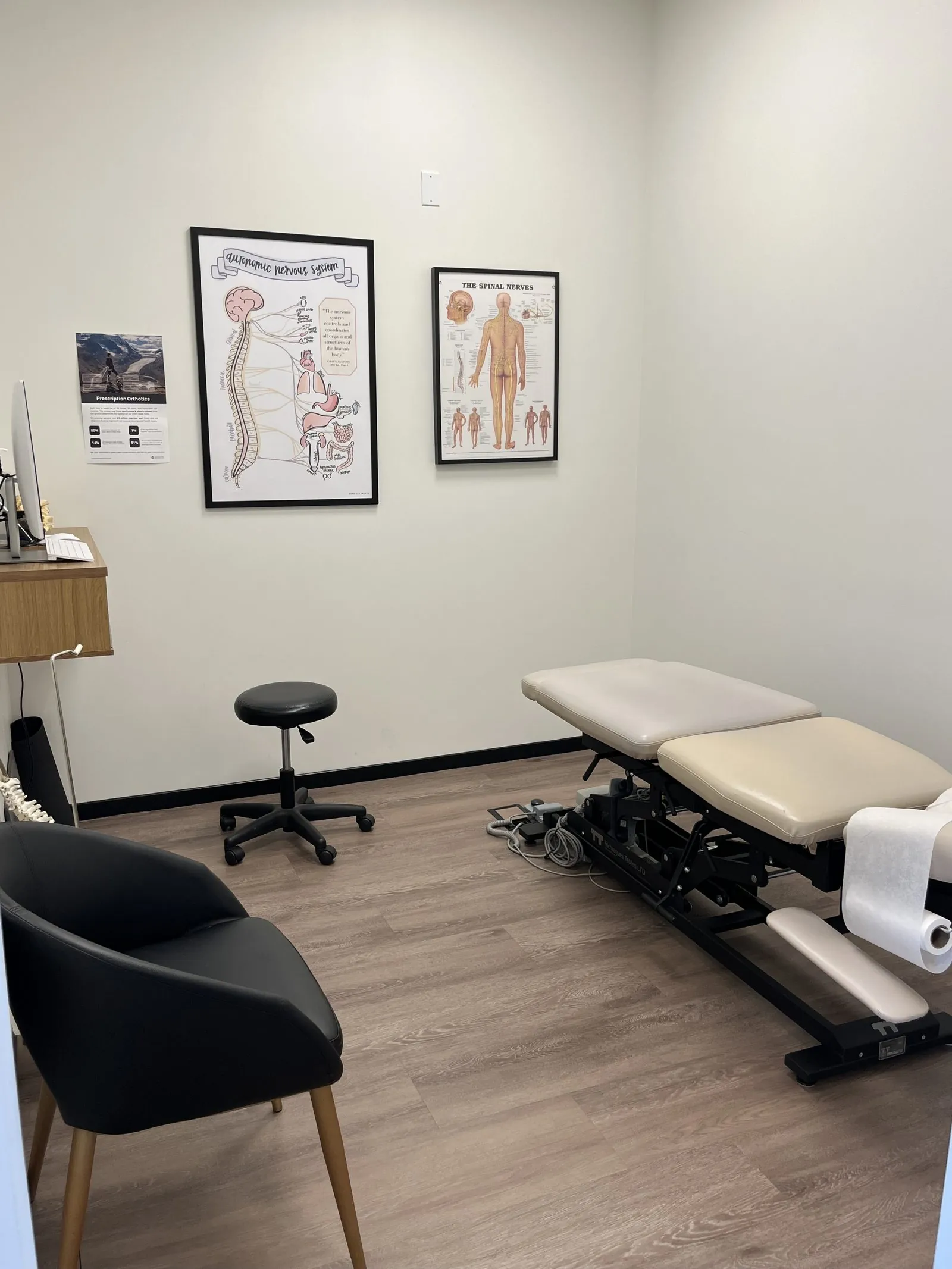
How We Help
How We Approach Dizziness
Symptoms
Common Symptoms
FAQ
Vertigo & Dizziness Care Questions
It depends on the cause. When dizziness is related to the neck (cervicogenic dizziness), chiropractic care may help. When it stems from an inner-ear or other medical condition, we’ll assess, explain what we find, and refer you to the appropriate provider.
It’s dizziness linked to dysfunction in the neck, where joint restriction and muscle tension affect balance-related signals. It often occurs alongside neck pain or stiffness.
We take a careful history and perform an exam to look for patterns. If your symptoms suggest an inner-ear or medical cause, we’ll guide you to the right provider rather than treat it ourselves.
Yes, we direct bill most major insurers for chiropractic and registered massage therapy, so you usually only pay any remaining balance.